
MassArt Kennedy Starbucks: a service audit
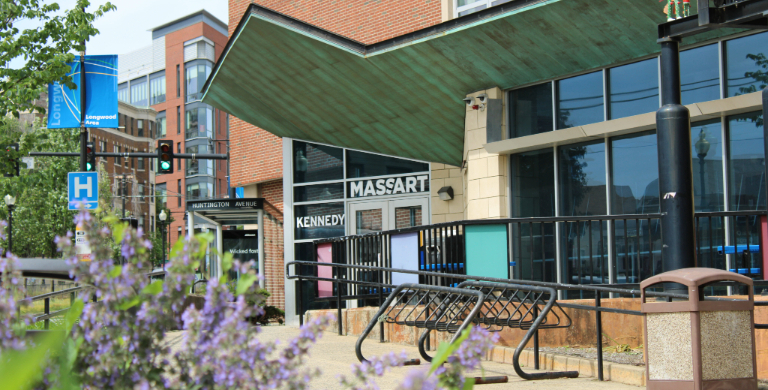
Field notes from one observation session, 9:00 am.
Honest limits: n = 3 timed orders plus a 15-batch count, only one visit.
1. What is easy to see going wrong
- Long waits, even for a muffin. Pastry took 3:59 and 4:25 after ordering; drinks took 5:15 and 5:38.
- Lumpy output. Food came out in piles (8, 3, 3, 2, 1); one pile of 8 means items sat waiting for each other.
- Staff is not the bottleneck. 6 to 8 people were working, with up to 2 on break, and waits barely moved.
- People stand and wait beside open tables. Nothing tells them when, or whether, to sit.
- Mobile ordering helped little. The notes read "+30 sec" against a 3:30 mobile wait; confirm that reading.
2. Why these exist (hypotheses)
The store is a campus licensee run by Sodexo, not a corporate Starbucks, so it inherits a shared dining operator's schedules and layout. Students arrive in waves between classes, with two other Starbucks within a short walk, so one slow wave costs a customer. Work seems to be released in batches rather than as items finish, and nothing shows order status. I have not verified any of this from inside the kitchen.
3. The evidence
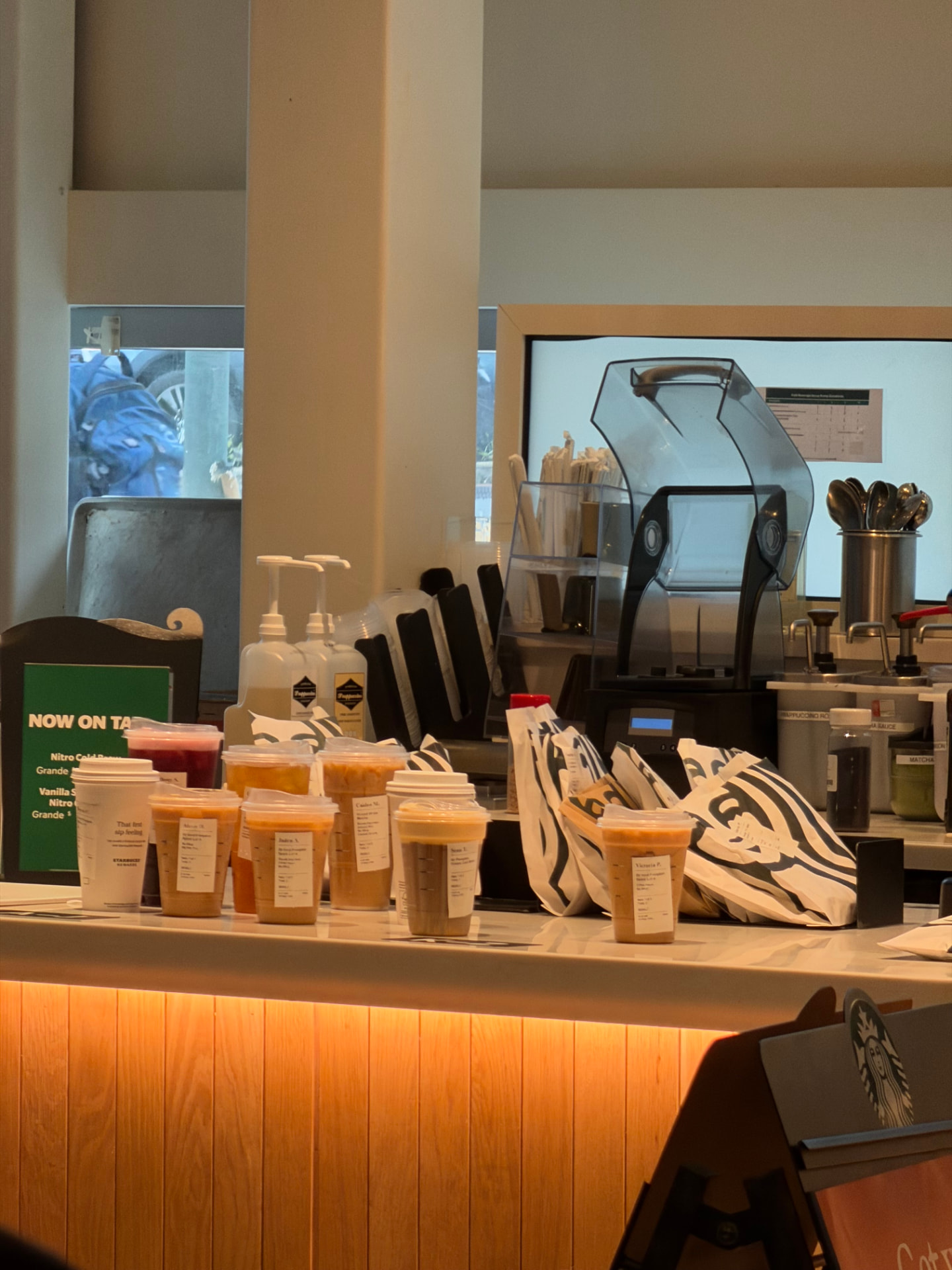
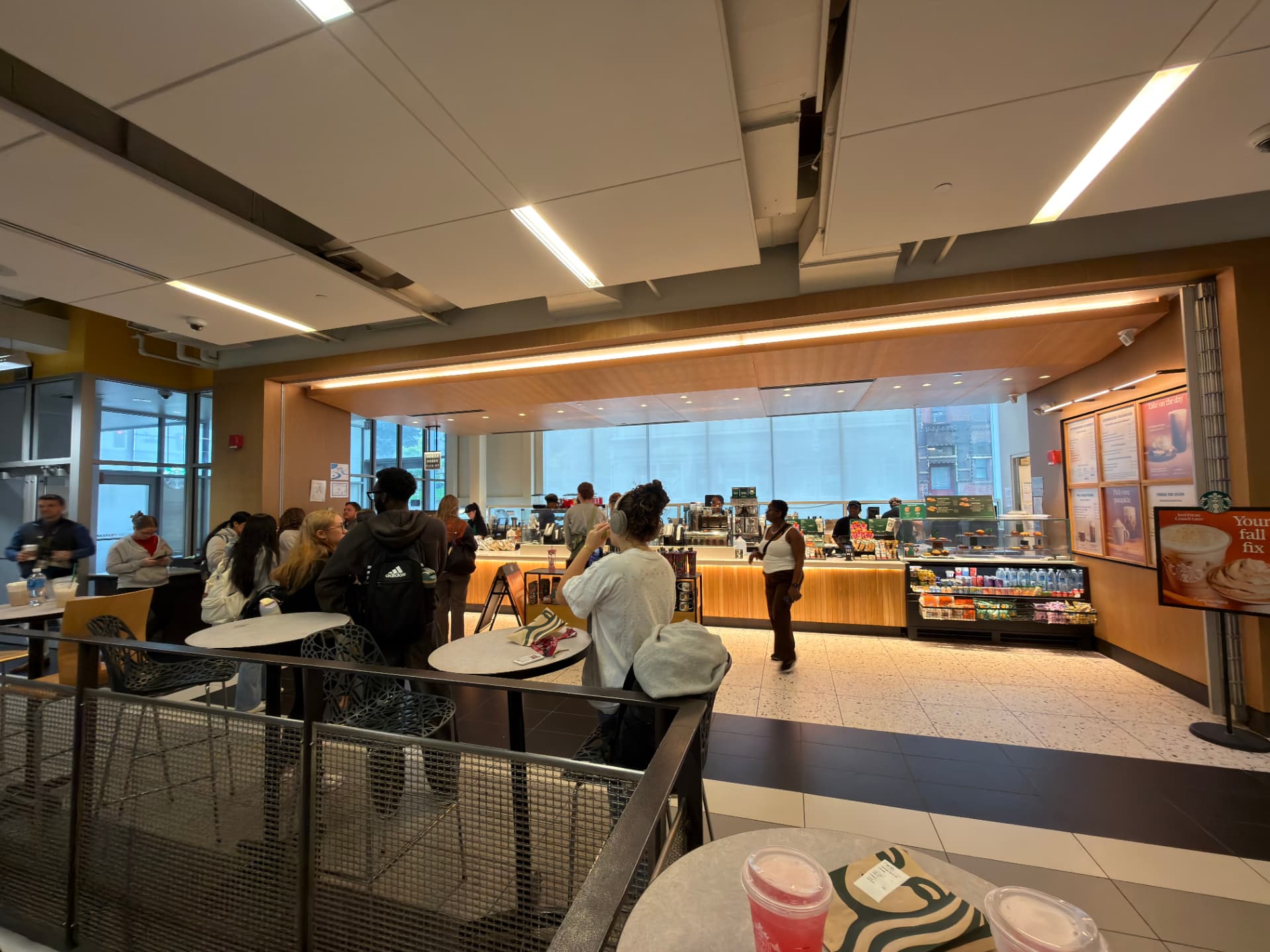
People choosing to stand and wait, tables open…Observer's field note
How much food comes out at once?Observer's field note
8 people working, someone back from break.Observer's field note
4. Why I chose this problem
I picked a place I use between studio classes, where a 10-minute break turns into a 6-minute wait. It is small enough to observe in one sitting and has a clear timing signal.
5. Assumptions and biases
I am a regular, so I notice delays more than a first-time visitor. I assumed the staff were not the problem, which my count supports but one visit cannot prove. I timed only my own order, and I expected mobile ordering to be faster.
6. Recommendations for the owner
Scores are 1 to 5: desirable (do students want it), feasible (can the store do it), viable (does it earn or save money). They are my judgment from this evidence, not tested numbers.
| Recommendation | Desirable | Feasible | Viable | Total |
|---|---|---|---|---|
| Split food from the drink line One person pulls and hands over food the moment it is ready; the 8-item pile never forms. Uses existing 7 to 8 staff; pastries took ~4 min. | 5 | 5 | 4 | 14/15 |
| Stagger breaks around the peak Never run 2 on break at the busiest minutes; confirm the peak with a 3-day tally. Costs nothing; schedule change only. | 3 | 5 | 3 | 11/15 |
| Show order status on a pickup screen Name and ready-state on a small display so people can sit at the open tables. Standing and waiting beside empty tables is the clearest cue. | 4 | 4 | 3 | 11/15 |
| Class-change mobile order windows Push "order for the 11:50 break" so mobile orders are made before the rush. Matches 10-minute between-class demand; mobile saved only ~30 sec. | 4 | 3 | 5 | 12/15 |
| Pre-pack cold pastries at the register Muffins and cold items go in a grab-and-go case: no wait at all. Removes items from the queue entirely. | 4 | 5 | 4 | 13/15 |
| Pickup lane away from the queue Mark a separate pickup spot with a floor and wall cue so ordering and waiting stop colliding. Needs a layout check on site. | 4 | 3 | 3 | 10/15 |